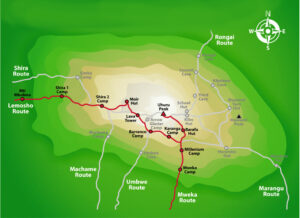
Climbing Kilimanjaro is an amazing adventure. The mountain is more than just a tall peak. It has five main vegetation zones, each with its own plants, weather, and views. Knowing these zones makes your hike easier and more enjoyable.
Cultivated Zone (800–1,800 m)
At Kilimanjaro’s base, the cultivated zone is full of farms. People grow bananas, coffee, and maize here. Small villages are scattered across the slopes. The air is warm and humid. Hikers feel the shift from everyday life to nature.
Montane Forest Zone (1,800–2,800 m)
Above the farms is the montane forest zone. Trees are tall, and moss and ferns cover the ground. Birds and monkeys live here. The air is cooler, and sunlight filters through the thick canopy. Hikers start to feel fully surrounded by nature.
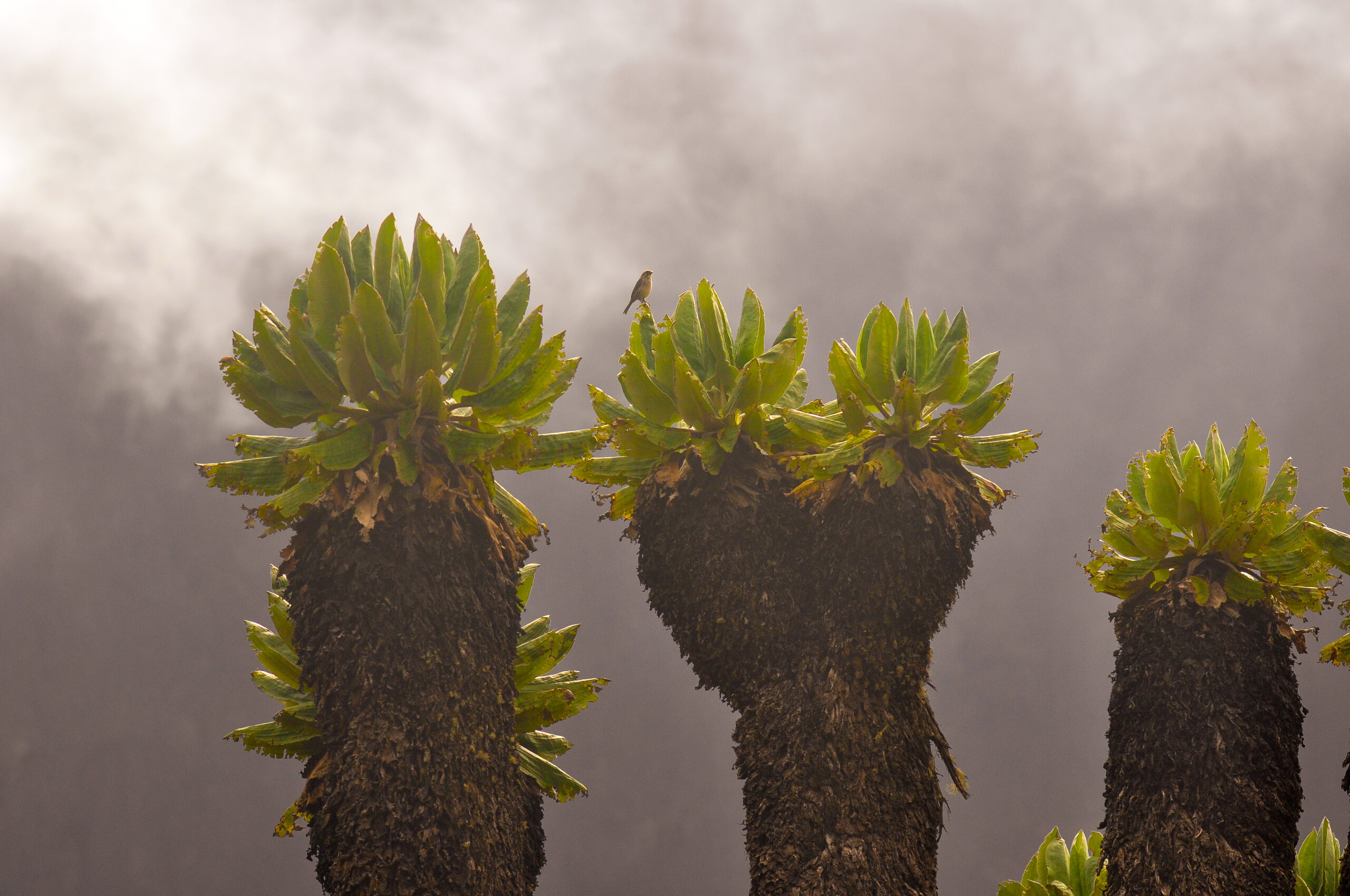
Heather and Moorland Zone (2,800–4,000 m)
Next is the heather and moorland zone. Giant heathers and shrubs grow among rocks. Mist often rolls over the hills. The area feels wild and open. Hikers leave the forest behind and enter high-altitude landscapes.
Alpine Desert Zone (4,000–5,000 m)
The alpine desert zone is dry and rocky. Plants are few, and temperatures change quickly. The thin air makes climbing harder. The open landscape feels remote and dramatic. Hikers see how tough Kilimanjaro’s high slopes can be.
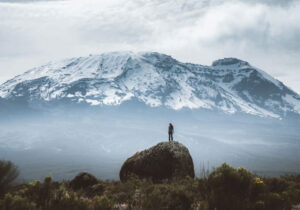
Arctic Summit Zone (5,000–5,895 m)
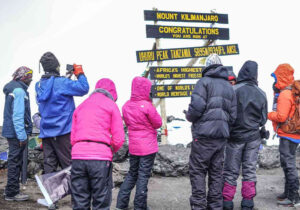
At the top is the arctic summit zone. Snow and ice cover the rocks. Almost no plants survive here. The view from the peak is stunning. Reaching the summit is the ultimate reward for climbers.
Kilimanjaro five main vegetation zones make it one of the world’s most fascinating mountains. From fertile farmland to icy peaks, each zone offers unique experiences and stunning visuals. Understanding these zones not only prepares hikers for the physical challenge but also deepens their appreciation for this natural wonder.