Uganda Cultural Safari-Communities, Traditions and Experiences
A Uganda Cultural Safari offers an opportunity to discover the country’s diverse communities, traditions, lifestyles, and local experiences. Beyond wildlife and national parks, Uganda has a rich cultural heritage shaped by many ethnic groups, each with its own languages, customs, music, food, crafts, and traditional practices.
A cultural safari allows travelers to meet local communities, learn about everyday life, enjoy traditional performances, explore local markets, and experience Ugandan hospitality.
Cultural Experiences to Enjoy in Uganda
1. Visit Local Communities
Visiting local communities provides a closer look at everyday life in Uganda. Travelers can meet residents, learn about their traditions, and discover how communities maintain their cultural identity.
These visits can also create opportunities to learn about farming, traditional homes, family life, and local customs.
2. Traditional Dance and Music
Music and dance play an important role in many Ugandan communities. Traditional performances often feature drums, singing, dancing, and colorful clothing.
During a Uganda Cultural Safari, visitors can enjoy performances while learning about the stories and traditions behind different dances.
3. Local Food Experiences
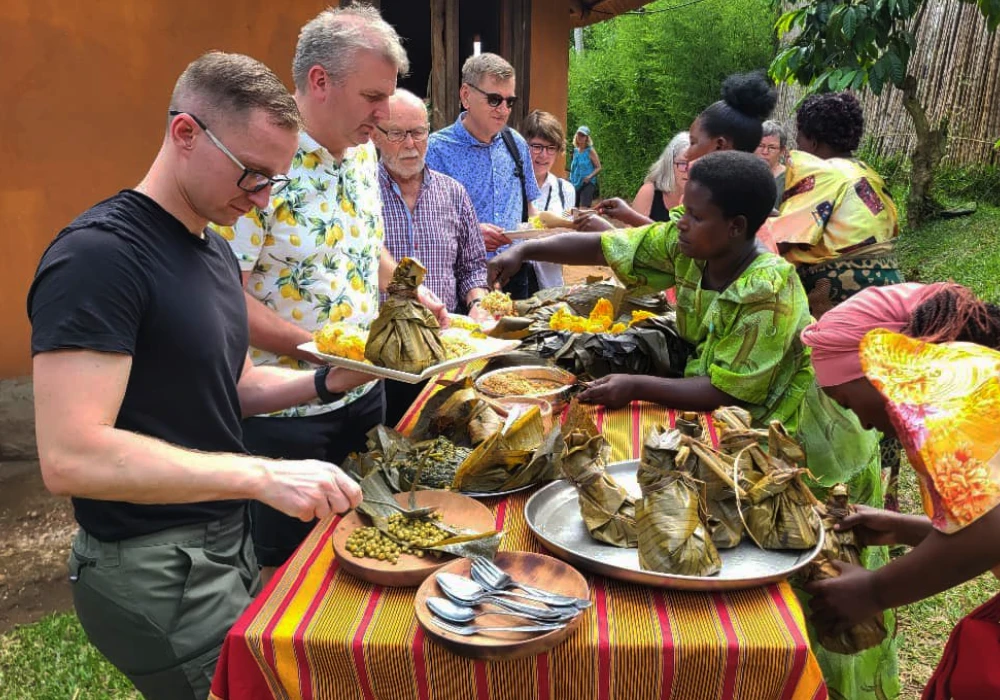
Food provides another simple way to experience Ugandan culture. Local dishes often use ingredients such as bananas, cassava, sweet potatoes, beans, maize, groundnuts, and different vegetables.
Travelers can try traditional meals and learn how local communities prepare and serve their food.
4. Traditional Crafts
Uganda has a strong tradition of handmade crafts. Local artisans create baskets, mats, pottery, wood carvings, jewelry, musical instruments, and other handmade products.
Visiting craft workshops allows travelers to see how these items are produced. It also provides an opportunity to support local artisans by purchasing authentic handmade products.
5. Local Markets
Markets provide a lively introduction to everyday Ugandan life. They bring together farmers, traders, artisans, and families while offering fresh produce, clothing, household items, and handmade products.
Walking through a local market can help travelers understand how communities trade and interact.
Cultural Communities to Experience
Uganda has many ethnic communities with distinct cultural traditions. A cultural safari can introduce visitors to different ways of life depending on the regions included in their journey.
Batwa Community
The Batwa are traditionally associated with the forests of southwestern Uganda. Cultural experiences with Batwa communities can introduce visitors to traditional knowledge, forest-related practices, music, storytelling, and crafts.
These experiences provide insight into the community’s historical connection with the forest.
Karamojong Community
The Karamojong people live mainly in northeastern Uganda. Their traditional lifestyle has strong connections with cattle, pastoralism, family, and community traditions.
A cultural experience can include meeting local families, learning about traditional homes, enjoying dances, and discovering aspects of Karamojong heritage.
Baganda Culture
The Baganda are one of Uganda’s largest cultural groups and have a strong historical connection with the Buganda Kingdom.
Visitors can learn about traditional leadership, royal heritage, music, dance, crafts, and other aspects of Buganda culture.
Banyankole Culture
The Banyankole are traditionally associated with southwestern Uganda. Cattle have played an important role in their cultural heritage, particularly among the Bahima communities.
Travelers can learn about traditional cattle keeping, local customs, food, music, and community life.
Bakiga Culture
The Bakiga are associated with the southwestern highlands of Uganda. Their culture includes distinctive traditions, dances, music, food, and agricultural practices.
Visiting communities in the region also provides opportunities to experience the beautiful hilly landscapes and rural lifestyle.
Cultural Activities for Travelers
A Uganda Cultural Safari can include several hands-on activities. Depending on the community and location, visitors may participate in:
- Traditional cooking demonstrations
- Cultural dances
- Local craft-making
- Village walks
- Traditional storytelling
These activities create a more personal connection with local communities and provide opportunities to learn through direct interaction.
Traditional Storytelling
Storytelling remains an important way of sharing history, values, knowledge, and community traditions. Elders and cultural performers may use stories to explain the origins of communities, important historical events, and traditional beliefs.
Listening to local stories can therefore add depth to a cultural visit and help travelers understand Uganda beyond its wildlife.
Community-Based Tourism
Community-based tourism allows visitors to experience local culture while contributing to communities. Activities may include village visits, cultural performances, craft workshops, guided walks, and local food experiences.
When travelers choose responsible cultural experiences, their visits can help support local businesses, artisans, guides, and community initiatives.
Best Way to Experience Ugandan Culture
The best cultural experiences involve respectful interaction with local communities. Travelers should ask before taking photographs, follow local customs, and remain open to different ways of life.
Rather than simply watching a performance, take time to listen, ask questions, and understand the meaning behind the traditions.
Book Your Uganda Cultural Safari with Kiriwe Travel
A Uganda Cultural Safari provides a different perspective on the country. Alongside wildlife and natural landscapes, travelers can discover communities, traditional food, music, dance, crafts, storytelling, and everyday life.
Book your Uganda Cultural Safari with Kiriwe Travel and experience the traditions, communities, and cultural heritage of Uganda.