Gishwati-Mukura National Park-Complete Travel Guide
Gishwati-Mukura National Park is one of Rwanda’s lesser-known natural treasures and an excellent destination for travelers who want to explore the country’s forests beyond the more famous Volcanoes and Nyungwe national parks. Located in western Rwanda, the park protects two separate forest areas, Gishwati and Mukura, within the Albertine Rift.
The park offers opportunities for chimpanzee trekking, primate watching, birdwatching, forest hiking, and cultural experiences. Its quieter atmosphere also makes it appealing to travelers looking for a more peaceful nature experience.
Where Is Gishwati-Mukura National Park?
Gishwati-Mukura National Park lies in western Rwanda, between Lake Kivu and Volcanoes National Park.The park’s location makes it convenient to combine with destinations such as Lake Kivu, Volcanoes National Park, and Kigali.
The journey from Kigali generally takes several hours by road, depending on which section of the park you visit. Because Gishwati-Mukura covers two forest areas, your exact travel time will depend on your planned activities and accommodation.
What Makes Gishwati-Mukura Special?
Gishwati-Mukura is Rwanda’s fourth national park and protects important forest habitat within the Albertine Rift.
The park consists of two forests:
- Gishwati Forest
- Mukura Forest
Together, they protect valuable biodiversity and provide important habitats for primates, birds, plants, and other forest species.
Moreover, the park plays an important role in forest conservation and ecological restoration in western Rwanda.
Wildlife in Gishwati-Mukura National Park
Although Gishwati-Mukura does not offer the same large-animal safari experience as Akagera, its forests support a fascinating range of wildlife.
Visitors may encounter:
- Chimpanzees
- Colobus monkeys
- L’Hoest’s monkeys
- Blue monkeys
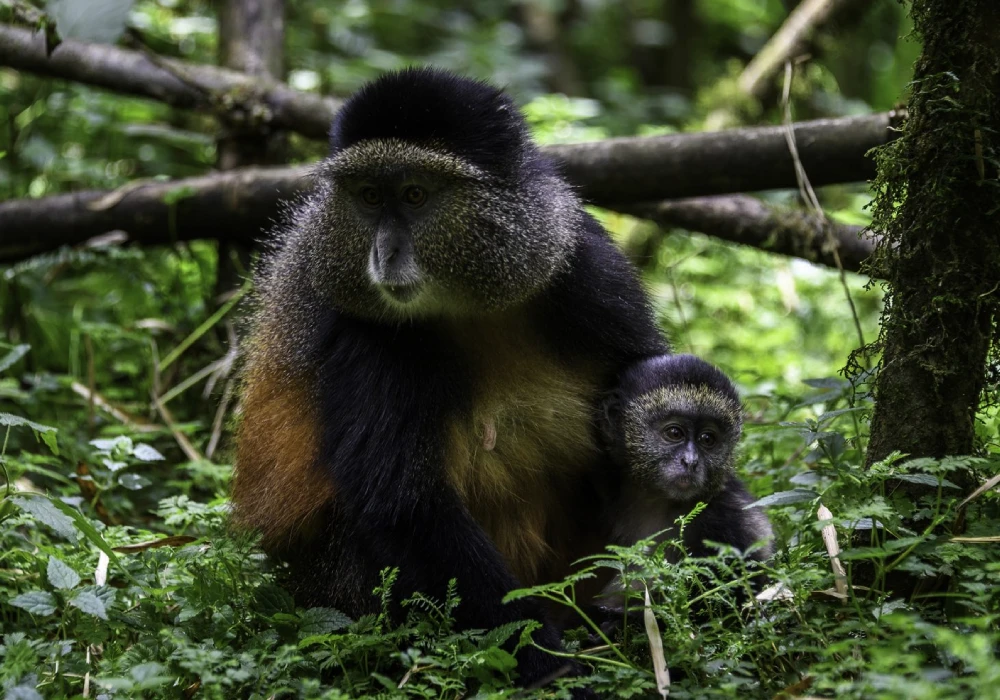
- Golden monkeys
- Other primates
- Forest birds
- Butterflies
- Various small forest mammals
Wildlife sightings can vary because the dense forest provides plenty of cover. Consequently, guided walks offer the best way to explore the park and search for wildlife.
Chimpanzee Trekking
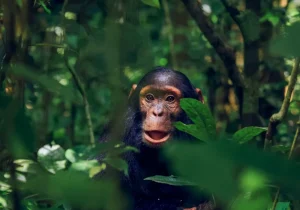
Chimpanzee trekking is one of the most interesting experiences available in Gishwati Forest. Visitors explore the forest with guides while searching for chimpanzee groups. The experience involves walking through dense vegetation and listening for calls and movement in the trees.
While Nyungwe remains Rwanda’s best-known chimpanzee destination, Gishwati-Mukura provides a quieter alternative for travelers interested in primate experiences.
Primate Watching
The forests support several primate species. Colobus monkeys, blue monkeys, L’Hoest’s monkeys, and other forest primates can be encountered during guided walks.
Because different species occupy different parts of the forest, exploring slowly and listening carefully can increase your chances of spotting them.
Birdwatching in Gishwati-Mukura
Birdwatching is another highlight of the park.
The forests provide habitat for a variety of Albertine Rift bird species and other forest birds. Bird enthusiasts can explore the forest with a local guide who can help identify different species by sight and sound.
You may encounter:
- Turacos
- Sunbirds
- Flycatchers
- Barbets
- Forest hornbills
- Raptors
- Other forest species
Therefore, bringing binoculars can make your experience more rewarding.
Forest Hiking
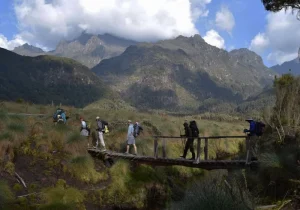
Gishwati-Mukura offers opportunities to explore the forest on foot. Guided forest walks allow visitors to discover the area’s vegetation, wildlife, birds, and natural landscapes while learning about conservation.
The peaceful atmosphere also makes hiking here different from the busier experiences found at some of Rwanda’s more famous destinations.
Cultural Experiences
A visit to Gishwati-Mukura can also include interactions with surrounding communities.Local experiences may introduce travelers to farming, traditional crafts, food, and everyday life in western Rwanda.
Community-based activities can add a cultural dimension to a forest visit while helping visitors understand the relationship between local communities and the surrounding environment.
Conservation in Gishwati-Mukura
Conservation plays an important role in the history of Gishwati-Mukura.The forests have experienced pressure from agriculture, settlement, and other human activities. Conservation programs now focus on protecting forest habitat, restoring degraded areas, and supporting biodiversity.
At the same time, community involvement remains important for protecting the long-term future of the forests.
A visit to the park therefore provides more than a wildlife experience. It also gives travelers an opportunity to learn about Rwanda’s efforts to protect its natural ecosystems.
Best Things to Do in Gishwati-Mukura National Park
Chimpanzee Trekking
Explore the forest in search of chimpanzee groups and learn about their behavior and habitat.
Primate Watching
Look for colobus monkeys, blue monkeys, L’Hoest’s monkeys, and other forest primates.
Birdwatching
Search for forest birds and Albertine Rift species with an experienced guide.
Forest Hiking
Walk through the forest while discovering its plants, wildlife, and natural scenery.
Cultural Experiences
Meet local communities and learn about farming, crafts, food, and traditional ways of life.
Best Time to Visit Gishwati-Mukura National Park
You can visit Gishwati-Mukura National Park throughout the year.
The drier periods can make forest walks more comfortable, while the wetter months create lush vegetation and vibrant scenery.
However, rainfall can occur at any time because the park lies within a naturally wet forest environment. Therefore, carrying a waterproof jacket and suitable footwear is recommended regardless of when you travel.
How Long Should You Stay?
A 1- to 2-day visit can work well for travelers who want to experience the forest and combine it with other destinations. However, travelers interested in chimpanzee trekking, birdwatching, hiking, and cultural experiences may prefer additional time.
Gishwati-Mukura can also serve as a stop between Lake Kivu and Volcanoes National Park, making it easy to include in a longer Rwanda journey.
How to Get to Gishwati-Mukura National Park
The park can be reached by road from Kigali and other destinations in western Rwanda.
Travelers coming from Lake Kivu can combine the park with a lakeside holiday, while those traveling from the Volcanoes region can include Gishwati-Mukura as part of a western Rwanda route.
Because the two forest sections have different access points, it is important to confirm your planned activity and entrance area before traveling.
What to Pack for Gishwati-Mukura National Park
For a comfortable forest experience, consider packing:
- Sturdy hiking shoes
- Long trousers
- Long-sleeved shirts
- Waterproof jacket
- Hiking socks
- Small backpack
- Reusable water bottle
- Insect repellent
- Sunscreen
- Hat or cap
- Binoculars
- Camera
- Power bank
- Personal medication
- Waterproof bag for electronics
Good footwear is particularly important because forest trails can become muddy after rainfall.
Gishwati-Mukura and Other Rwanda Destinations
The park works well as part of a broader Rwanda itinerary.
You can combine it with:
- Lake Kivu for relaxation and water activities
- Volcanoes National Park for gorilla and golden monkey trekking
- Nyungwe National Park for chimpanzee trekking and rainforest experiences
- Akagera National Park for savannah wildlife
- Kigali for cultural and historical experiences
This combination allows you to discover several different sides of Rwanda, from forests and mountains to lakes and savannahs.
Book Your Gishwati-Mukura National Park Trip with Kiriwe Travel
Planning to explore Gishwati-Mukura National Park? Kiriwe Travel can help arrange your transportation, accommodation, forest activities, chimpanzee trekking, birdwatching, hiking, and cultural experiences.
Whether you want a short forest escape or wish to include Gishwati-Mukura in a longer Rwanda adventure, we can create a personalized journey around your interests and travel dates.
Book your Gishwati-Mukura National Park adventure with Kiriwe Travel and discover Rwanda’s peaceful forests, fascinating primates, diverse birdlife, and remarkable conservation landscapes.