Akagera National Park-Complete Travel Guide
Akagera National Park is Rwanda’s main savannah safari destination and the country’s only savannah national park. Located in eastern Rwanda along the Tanzanian border, the park covers about 1,122 square kilometres and combines open grasslands, woodland, wetlands, lakes, and rolling hills.
A visit to Akagera offers opportunities to see lions, elephants, rhinos, leopards, buffaloes, giraffes, zebras, hippos, crocodiles, antelopes, and many bird species. Moreover, its varied landscapes make every game drive different.
Where Is Akagera National Park?
Akagera lies in eastern Rwanda, close to the border with Tanzania. The park is approximately 120 kilometres from Kigali, making it one of the country’s more accessible safari destinations.
The drive from Kigali generally takes around 2 to 3 hours. Along the way, travelers can enjoy views of Rwanda’s countryside, hills, farms, and rural communities before reaching the park.
Wildlife in Akagera National Park
Akagera supports a diverse range of wildlife across its savannahs, woodlands, wetlands, and lakes.
Visitors may encounter:
- Lions
- Elephants
- Rhinos
- Leopards
- Buffaloes
- Giraffes
- Zebras
- Hippos
- Crocodiles
- Hyenas
- Warthogs
- Impalas
- Topi
- Waterbucks
- Elands
- Bushbucks
- Other antelope species
- Several primate species
Because animals move freely through the park, every game drive offers a different wildlife experience.
The Big Five in Akagera
Akagera is Rwanda’s destination for experiencing the Big Five: lion, leopard, elephant, rhino, and buffalo. The return of lions and rhinos has strengthened the park’s reputation as a Big Five safari destination.
Lion
Lions are among the most exciting animals to search for during a game drive. Early morning and later afternoon drives can provide good opportunities to observe wildlife when temperatures are cooler.
Leopard
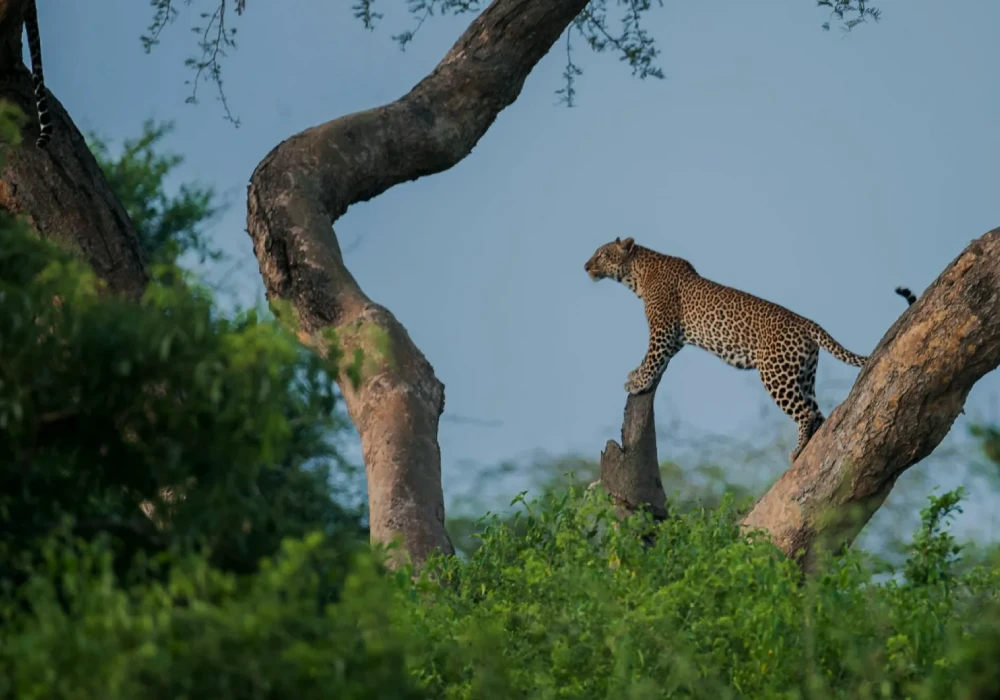
Leopards are more elusive and can be difficult to spot. They often use woodland and areas with dense vegetation for cover, so patience and careful observation can improve your chances.
Elephant
Elephants can be found around different parts of Akagera, particularly near water and woodland areas. Watching a herd move through the landscape can be one of the highlights of a safari.
Rhino
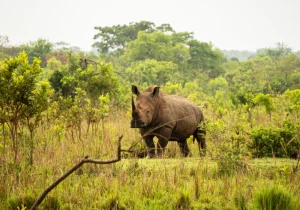
The eastern black rhino forms an important part of Akagera’s conservation story. Travelers can search for these impressive animals during game drives.
Buffalo
Buffaloes are commonly associated with Akagera’s open plains and woodland areas. Large groups can create memorable wildlife encounters.
Giraffes, Zebras and Antelopes
Beyond the Big Five, Akagera supports many herbivores.
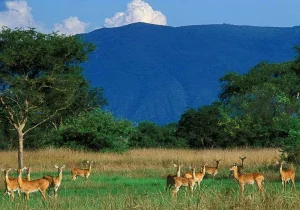
Giraffes can be seen feeding from trees, while zebras often gather on open grasslands. Meanwhile, impalas, topi, waterbucks, bushbucks, elands, and other antelopes add further variety to the safari experience.
Consequently, you can expect more than just predator sightings during a game drive.
Hippos and Crocodiles
Akagera’s lakes and wetlands provide important habitats for aquatic wildlife.
Lake Ihema is particularly popular for viewing hippos, crocodiles, and waterbirds. A boat trip allows visitors to observe these animals from the water while enjoying the surrounding scenery.
Furthermore, the lakes and wetlands attract a wide variety of bird species.
Birdwatching in Akagera
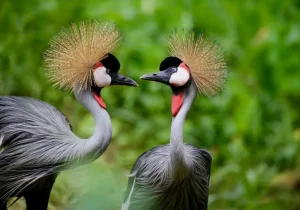
Akagera is also an excellent destination for birdwatching, with more than 500 bird species recorded in the park.
Bird enthusiasts may encounter:
- African fish eagles
- Herons
- Egrets
- Kingfishers
- Storks
- Ibis
- Raptors
- Waterbirds
- Papyrus-associated species
Therefore, carrying binoculars can add another dimension to your safari.
Best Things to Do in Akagera National Park
Game Drives
Game drives provide the main way to explore Akagera’s wildlife. Morning and afternoon drives take you through different habitats while your guide searches for wildlife.
A full-day drive can allow more time to explore the park, while shorter drives work well for travelers with limited time.
Boat Safari on Lake Ihema
A boat safari provides a different perspective of Akagera. From the water, you can look for hippos, crocodiles, and birds while enjoying views of the lake and surrounding vegetation.
Night Game Drive
A night game drive reveals another side of the park. After sunset, some nocturnal animals become more active, creating opportunities to observe wildlife that you may not see during daytime drives.
Birdwatching
With its combination of wetlands, lakes, grasslands, and woodland, Akagera offers excellent opportunities for birdwatching. A guide can help identify different species and explain their habitats.
Akagera’s Landscapes
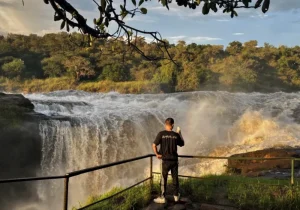
Wildlife is only part of the attraction. The park’s scenery changes considerably as you travel between different areas.
You can experience:
- Open savannah
- Rolling hills
- Woodlands
- Wetlands
- Lakes
- Papyrus swamps
- Grasslands
As a result, even a simple game drive can provide constantly changing views and photography opportunities.
Best Time to Visit Akagera National Park
You can visit Akagera National Park throughout the year. However, the park has two main drier periods, generally from June to September and December to February.
During drier months, thinner vegetation and water availability can make some wildlife easier to spot. On the other hand, wetter periods bring greener landscapes and attractive conditions for photography.
Therefore, your ideal travel period depends on whether you prioritize wildlife viewing, photography, birdwatching, or lush scenery.
How Long Should You Stay in Akagera?
- A 2-day safari can provide time for game drives and a boat experience. However, a longer stay allows you to explore more areas and enjoy additional activities without rushing.
- For travelers who want a deeper wildlife experience, 3 days or more can provide greater flexibility.
How to Get to Akagera National Park
Most visitors travel from Kigali by road. The journey generally takes around 2 to 3 hours, making Akagera suitable for both short and longer Rwanda safari trips.
A private safari vehicle offers flexibility because you can travel directly to your accommodation and continue with your planned activities.
Alternatively, travelers can reach nearby towns using public transport and arrange onward transportation. However, organized transportation can be more convenient for visitors who want to combine transfers, accommodation, and safari activities.
Where to Stay in Akagera
Akagera offers several accommodation options in and around the park, ranging from camps and comfortable lodges to more exclusive safari properties.
Staying close to the park can make early morning game drives easier. Additionally, an overnight stay gives you more time to enjoy the area’s landscapes and wildlife rather than returning to Kigali after a short visit.
Akagera National Park and Other Rwanda Destinations
Akagera works well as part of a wider Rwanda journey.
You can combine it with:
- Volcanoes National Park for gorilla and golden monkey trekking
- Nyungwe National Park for chimpanzee trekking and rainforest experiences
- Lake Kivu for relaxation and water activities
- Kigali for cultural and city experiences
Together, these destinations showcase Rwanda’s savannahs, forests, mountains, lakes, wildlife, and culture.
Book Your Akagera National Park Safari with Kiriwe Travel
Planning a visit to Akagera National Park? Kiriwe Travel can help organize your transportation, accommodation, game drives, boat safari, and other experiences according to your travel dates and interests.
Whether you want a short wildlife escape from Kigali or a longer Rwanda safari combining Akagera with Volcanoes, Nyungwe, and Lake Kivu, Kiriwe Travel can create a personalized journey for you.
Book your Akagera National Park safari with Kiriwe Travel and discover Rwanda’s incredible wildlife, beautiful landscapes, and unforgettable safari experiences.